


Read more
Blog
Why institutional constraints matter for sovereign risk
It is a commonplace nowadays that economic institutions – the rules and norms that govern economic relations among different people, firms and governments – matter for key macroeconomic outcomes. Institutions significantly determine the long-term...
As geopolitical tensions, climate risks, and economic fragmentation reshape the policy landscape, the Central Banking and Banking Supervision (CBBS) Programme continues to equip ESCB and SSM professionals with the knowledge, networks and perspectives needed to navigate an increasingly uncertain future.
Effective central banking and banking supervision increasingly require professionals to look beyond traditional policy boundaries. The challenges facing central banks and supervisory authorities today are interconnected, global in nature, and evolving rapidly. Geopolitical tensions, trade fragmentation, climate and environmental risks, the digital transformation of financial services, and the rapid deployment of artificial intelligence are reshaping economies and financial systems in unprecedented ways.
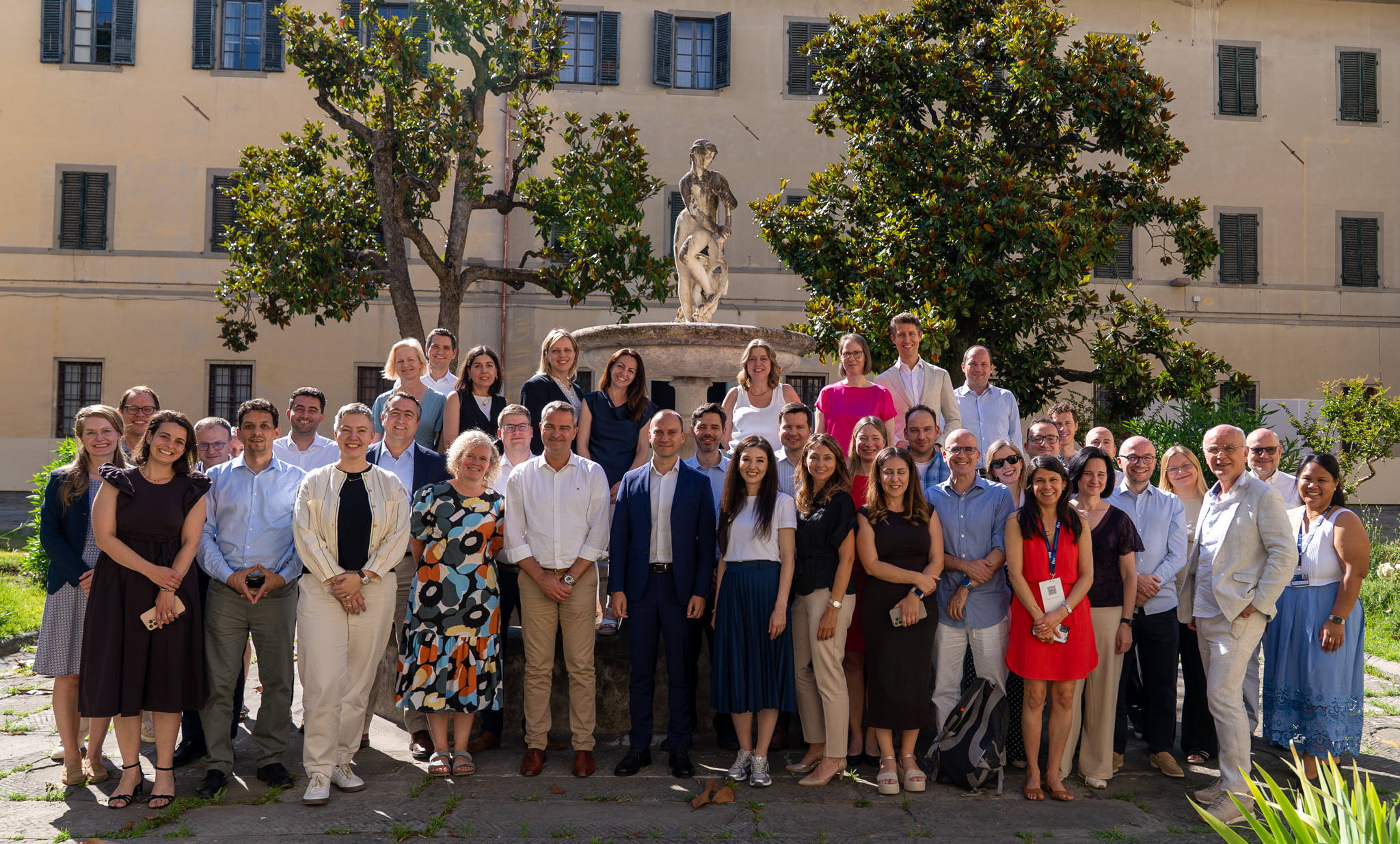
Responding to these developments requires not only technical expertise, but also strategic and cross-disciplinary thinking, and closer collaboration across institutions and policy areas. Delivered by the Florence School of Banking and Finance (FBF) and the Florence School of Transnational Governance (STG), the CBBS Executive Education Programme was designed with this objective in mind: to help professionals across the European System of Central Banks (ESCB) and the Single Supervisory Mechanism (SSM) better understand emerging trends, anticipate risks, and strengthen their capacity to respond to a changing environment.
Read the full article.